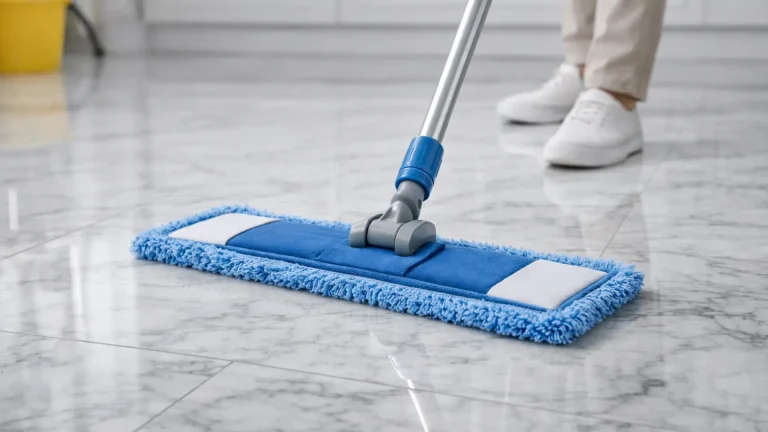
Caring for Natural Stone in the Bathroom
Natural stone surfaces such as marble, granite, limestone, and travertine are commonly used in bathroom environments because of their beauty and durability. However, bathrooms present unique conditions that can affect stone surfaces, including constant moisture, soap residue, and mineral buildup from water.
Proper care is essential to maintain the appearance and longevity of natural stone in bathrooms. With the right cleaning habits and maintenance practices, stone surfaces can remain clean, polished, and protected even in high-moisture environments.
Understanding Natural Stone in the Bathroom
Natural stone used in bathrooms may include materials such as marble, granite, limestone, and travertine. Each of these stones has unique properties that influence how it reacts to moisture, cleaning products, and daily use.
Bathrooms create a challenging environment for stone surfaces because of frequent water exposure, soap residue, and humidity. Understanding how these factors affect natural stone helps homeowners choose the right cleaning methods and maintenance habits.
Common Issues That Affect Stone Surfaces in Bathrooms
- Water spots or mineral buildup from hard water
- Soap residue that leaves a dull film on the stone surface
- Mold or mildew growth in high-moisture areas
- Etching caused by acidic cleaning products
- Staining from personal care products such as oils or cosmetics
Why Bathroom Environments Affect Natural Stone
Bathrooms create a unique environment for natural stone surfaces because of frequent exposure to moisture, soap, and cleaning products. Water droplets that remain on the surface can leave behind mineral deposits, while soap and personal care products may create residue buildup over time.
In addition, some bathroom cleaning products contain acidic or harsh chemicals that can damage the finish of natural stone surfaces. Understanding how moisture, residue, and cleaning products interact with stone helps homeowners maintain the appearance of marble, granite, and other natural materials in bathroom spaces.
Can You Maintain Natural Stone in Bathrooms Yourself?
Many aspects of caring for natural stone in bathrooms can be managed with proper cleaning habits and regular maintenance. Using pH-neutral stone cleaners, drying surfaces after use, and preventing residue buildup can help protect the appearance of marble, granite, and other natural stone materials.
However, it is important to avoid harsh chemical cleaners or abrasive tools that can damage the stone surface. Proper daily care is the most effective way to maintain natural stone in bathroom environments.
Simple Ways to Care for Natural Stone in Bathrooms
- Clean stone surfaces regularly with pH-neutral stone cleaners
- Dry countertops, shower walls, and floors after use to reduce mineral buildup
- Use soft cloths or sponges to prevent scratching the stone surface
- Remove soap residue regularly to prevent dull film on the stone
- Use bath mats and proper ventilation to reduce moisture buildup
When Natural Stone in Bathrooms Needs Professional Care
While proper cleaning and maintenance help preserve natural stone surfaces in bathrooms, certain problems may require professional attention. Persistent mineral buildup, deep staining, or surface etching caused by harsh cleaners may not respond to normal household cleaning methods.
Professional stone restoration specialists can deep clean the surface, remove residue buildup, and restore the finish of marble, granite, or other natural stone materials used in bathroom environments.
Professional Natural Stone Bathroom Restoration
Professional restoration services can address issues that develop on natural stone surfaces in bathroom environments. Mineral buildup, residue from cleaning products, and surface dullness may require specialized cleaning techniques to restore the stone’s natural appearance.
Restoration specialists can safely remove buildup, polish the stone surface, and apply protective sealers designed for bathroom environments. Proper restoration helps maintain the durability and appearance of marble, granite, and other natural stone materials.
Example of Well-Maintained Natural Stone in a Bathroom
If you would like to see how professional stone restoration improves the appearance of natural stone surfaces in bathrooms, explore our completed case studies. These projects demonstrate how proper restoration techniques protect and restore stone surfaces in real homes.

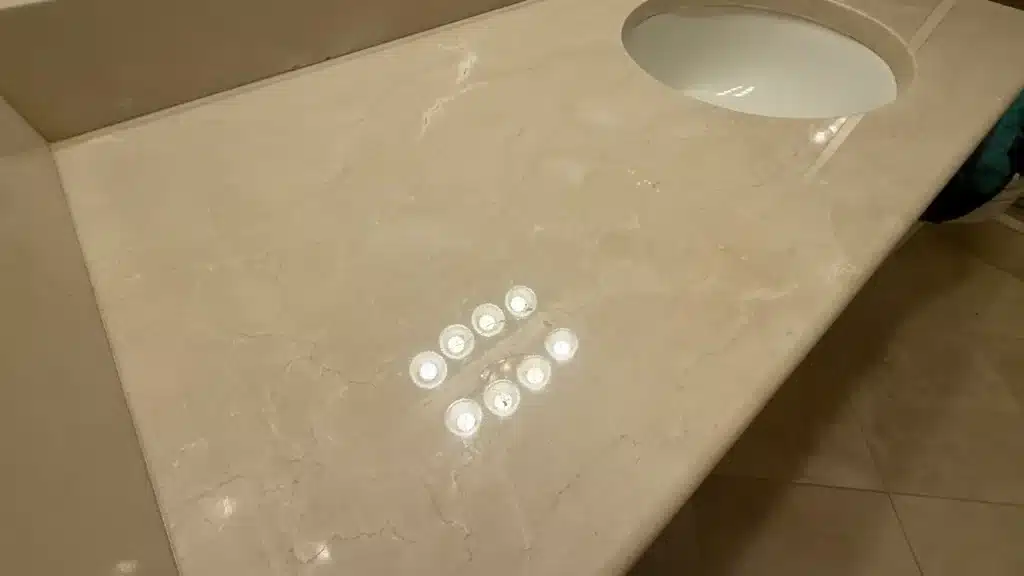

Images shown here are from real restoration projects performed by NextGen Surface Care and are included for educational purposes to demonstrate professional stone restoration techniques.
How to Care for Natural Stone in the Bathroom
Caring for natural stone in the bathroom involves preventing moisture buildup, removing soap residue regularly, and using cleaning products that are safe for stone surfaces. Because bathrooms are high-humidity environments, water spots and mineral deposits can develop more quickly than in other areas of the home.
Regular cleaning with pH-neutral stone cleaners and drying surfaces after use can help maintain the polished appearance of marble, granite, and other natural stone materials. Proper ventilation and routine maintenance also help reduce residue buildup and protect the stone from long-term damage.
By following simple care practices, homeowners can preserve the natural beauty of stone surfaces in bathroom environments and reduce the likelihood of staining or surface dullness.
Do’s and Don’ts of Natural Stone Bathroom Care
Do:
- Clean stone surfaces regularly with pH-neutral stone cleaners
- Dry countertops, floors, and shower walls after use
- Use soft microfiber cloths or sponges when cleaning
- Maintain proper bathroom ventilation to reduce humidity
- Address soap residue buildup before it becomes difficult to remove
Don’t:
- Use acidic cleaners such as vinegar or bathroom descalers
- Scrub stone surfaces with abrasive pads or harsh brushes
- Allow soap residue or mineral deposits to accumulate
- Use strong chemical cleaners not designed for natural stone
- Ignore early signs of residue buildup or surface dullness
Following proper maintenance habits helps protect natural stone surfaces in bathroom environments. Gentle cleaning methods and moisture control are the most effective ways to preserve the appearance and durability of marble, granite, and other natural stone materials. For homeowners looking to go deeper into proper stone maintenance, our Stone Care Guides and Surface IQ resources provide detailed, surface-specific insights to help protect travertine and other natural stone surfaces over time.
When It’s Time to Call a Professional
Although proper maintenance can help preserve natural stone surfaces in bathroom environments, certain issues may require professional restoration. Heavy mineral buildup, soap residue that has hardened over time, or surface dullness may not respond to normal cleaning methods.
Professional stone restoration specialists can deep clean the surface, safely remove buildup, and restore the finish of marble, granite, or other natural stone materials commonly used in bathrooms.
- Mineral buildup that remains after regular cleaning
- Soap residue that leaves a dull film on the stone surface
- Etching or surface dullness caused by harsh cleaning products
- Stains caused by personal care products or cosmetics
- Uneven shine or discoloration across the stone surface
Explore Natural Stone Bathroom Restoration Examples
If you would like to see how professional stone restoration improves the appearance of natural stone surfaces in bathroom environments, explore our completed case studies. These projects demonstrate how proper cleaning and restoration techniques help maintain stone surfaces in real homes.