How Steam Cleaning Affects Natural Stone
Understanding Steam Cleaning and Natural Stone
Steam cleaning natural stone surfaces can be risky if the material’s properties are not fully understood. Steam cleaners use high heat and pressurized vapor to break down dirt and sanitize surfaces. While this method is effective for some materials, natural stone behaves very differently than tile or sealed synthetic flooring. Stones like marble, travertine, limestone, and granite are naturally porous, meaning they can absorb moisture and react to heat in ways that may affect their surface and internal structure.
Understanding how steam interacts with stone is important before using a steam cleaner on floors, countertops, showers, or backsplashes. In some situations, steam cleaning can accelerate wear, weaken sealers, or highlight underlying issues in the stone.
Potential Risks of Steam Cleaning Natural Stone
- Moisture being forced into porous stone
- Premature breakdown of stone sealers
- Highlighting or worsening existing etching
- Thermal stress from rapid heat changes
- Grout weakening in stone tile installations
Why Steam Can Affect Natural Stone
Natural stone is formed through geological processes that create microscopic pores and mineral structures within the material. While these characteristics give stone its unique beauty, they also make it sensitive to heat, moisture, and pressure. Steam cleaners introduce all three at once.
High-temperature vapor can force moisture deep into the stone’s pores and into the grout joints around it. When that moisture cools, it can remain trapped beneath the surface, potentially contributing to staining, mineral movement, or weakening of the protective sealer layer. Over time, repeated steam exposure may also accelerate wear on polished finishes.
Is Steam Cleaning Ever Safe for Natural Stone?
Steam cleaning is not automatically harmful to every stone surface, but it must be approached carefully. Some dense stones with well-maintained sealers may tolerate occasional light steam cleaning, while more porous materials like marble, travertine, and limestone are far more vulnerable to moisture intrusion and heat stress.
Because stone condition, installation methods, and sealing quality all vary, it is often difficult for homeowners to know whether steam cleaning is safe for their specific surface. When in doubt, using pH-neutral stone cleaners and gentle cleaning methods is typically the safer long-term approach.
Safer Cleaning Methods for Natural Stone
- Cleaning with pH-neutral cleaners designed for natural stone. You can learn more about proper methods in our natural stone floor cleaning guide.
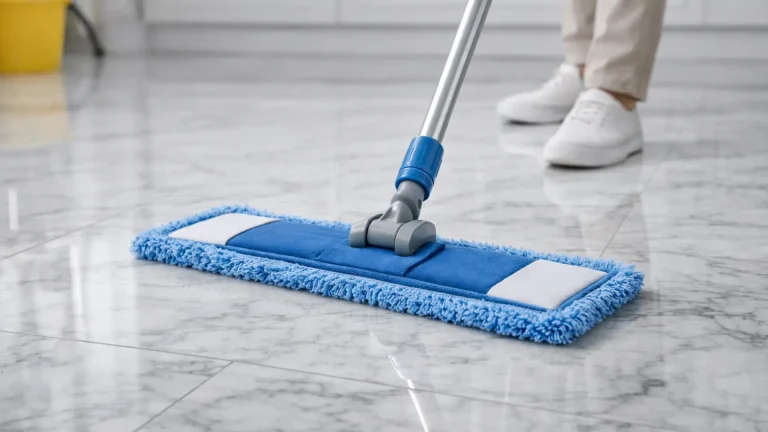
- Using soft microfiber mops or cloths to prevent abrasion
- Promptly wiping spills to reduce moisture absorption
- Dry dust mopping to remove grit and debris
- Maintaining stone sealers to help limit moisture penetration
Situations Where Steam Cleaning Can Cause Problems
Steam cleaning can sometimes reveal or worsen existing problems in natural stone installations. Surfaces that already have worn sealers, small cracks, grout deterioration, or hidden moisture issues may be more vulnerable to damage when exposed to high heat and pressurized vapor.
In these situations, steam can push moisture deeper into the stone or beneath the tile surface, potentially leading to staining, mineral deposits, or weakened grout lines. This is why many stone care professionals recommend evaluating the condition of the surface before introducing steam-based cleaning methods.
Professional Natural Stone Care and Evaluation
When natural stone begins to show signs of wear, staining, or surface damage, professional evaluation can help determine the safest cleaning and restoration approach. Stone care specialists understand how different materials respond to heat, moisture, and cleaning methods, allowing them to protect the surface while addressing underlying issues.
If steam cleaning has already affected a stone surface, professional stone restoration may help correct etching, restore the finish, and rebalance the surface through proper cleaning and sealing.
Steam Cleaning and Natural Stone Surfaces
Steam cleaners are often used on tile and grout surfaces, but when natural stone is involved, the results can vary. The following example shows steam being applied to a natural stone tile surface, illustrating how high heat and moisture interact with porous materials.

Images shown here are from real restoration projects performed by NextGen Surface Care and are included for educational purposes to demonstrate professional stone restoration techniques.
Do’s and Don’ts of Cleaning Natural Stone
Do:
- Use pH-neutral cleaners specifically designed for natural stone
- Clean using soft microfiber mops or cloths
- Wipe spills promptly to prevent moisture absorption
- Maintain a proper stone sealer when recommended
- Test any new cleaning method in a small inconspicuous area
Don’t:
- Use vinegar, bleach, or acidic household cleaners
- Apply excessive heat or steam without confirming stone compatibility
- Scrub stone with abrasive brushes or pads
- Allow standing water or moisture to remain on the surface
- Assume all stone surfaces respond the same to cleaning methods
For homeowners looking to better understand how to care for different types of natural stone, our Care Guides and Surface IQ resources provide surface-specific insights to help protect stone floors, countertops, and showers over time.
When It’s Time to Call a Professional
While many natural stone surfaces can be maintained with proper routine cleaning, certain conditions indicate that professional evaluation may be needed. Steam cleaning, harsh chemicals, or improper maintenance can sometimes lead to etching, dullness, or trapped moisture that requires specialized restoration techniques.
Professional stone care technicians can assess the surface condition, determine whether damage has occurred, and recommend the safest cleaning or restoration approach to protect the long-term appearance and integrity of the stone.
- Persistent dullness or etching that does not improve with normal cleaning
- Discoloration or staining that appears after steam cleaning
- Moisture or haze trapped beneath the stone surface
- Grout deterioration or uneven surface appearance
- Areas where the stone finish has become rough or inconsistent
Explore Natural Stone Restoration Case Studies
If you’d like to see how professional natural stone restoration corrects surface damage, staining, and wear in real homes, explore our completed case studies. These projects demonstrate how proper stone care techniques restore appearance while protecting the long-term durability of natural stone surfaces.