How to Remove Stains from Natural Stone Using a Poultice
Knowing how to remove stains from natural stone is important when discoloration penetrates below the surface and cannot be removed with standard cleaning methods. Stains in natural stone surfaces can be frustrating, especially when regular cleaning methods fail to remove them. Because many types of stone are porous, certain liquids can penetrate beneath the surface and leave visible discoloration.
One of the most effective techniques for removing deep stains from natural stone is the use of a poultice. A poultice works by drawing the staining substance out of the stone and into an absorbent material applied to the surface. When used properly, this method can help restore the appearance of marble, granite, travertine, and other natural stone materials.
Understanding Stains in Natural Stone
Natural stone surfaces such as marble, granite, limestone, and travertine contain microscopic pores that allow liquids to penetrate beneath the surface. When certain substances enter these pores, they can leave visible discoloration known as staining.
Common staining substances include oils, food, beverages, organic materials, and certain cleaning products. The deeper the substance penetrates into the stone, the more difficult it becomes to remove using standard cleaning methods.
Before attempting stain removal, it is important to determine whether the discoloration is actually a stain or another surface issue such as etching. Our article on how to determine whether a mark is actually a stain explains the differences in more detail.
Common Types of Natural Stone Stains
- Oil-based stains from cooking oils, grease, or cosmetics
- Organic stains from coffee, wine, food, or plant material
- Rust stains caused by metal objects left on stone surfaces
- Water stains from mineral deposits or standing moisture
- Dye stains from colored liquids or cleaning products
- Silicone residue stains caused by uncured caulking or improper cleanup
In many cases stains develop because substances are left on the surface too long or because improper cleaning products were used. Learning proper stone cleaning methods can help prevent stains from forming in the first place.
How Poultices Remove Deep Stone Stains
A poultice is a stain removal method used to draw contaminants out of porous stone surfaces. It works by combining an absorbent material with a cleaning agent to form a paste that is applied directly over the stained area.
As the poultice dries, it pulls the staining substance out of the stone through capillary action and into the absorbent material. Once the poultice has completely dried, it can be removed from the surface, often revealing a significantly reduced or fully removed stain.
Different types of stains may require different poultice ingredients depending on the contaminant involved. In some situations, multiple applications may be needed to fully remove deeper stains from the stone.
In some cases, staining may occur during installation or maintenance work. For example, silicone caulking that is not cleaned properly before curing can leave behind discoloration on stone surfaces. These types of stains may also respond to poultice treatments designed to draw the residue out of the stone.
When a Poultice May Not Be Enough
While poultices can be effective for removing many types of stains from natural stone, they are not a solution for every situation. Some discoloration is caused by surface damage such as etching rather than staining, which means the problem cannot be removed with stain extraction methods alone.
In other cases, stains may have penetrated deeply into the stone or may be caused by substances that require specialized treatment. When stains persist after multiple poultice applications, professional stone restoration may be needed to properly address the issue and restore the appearance of the surface.
When Poultice Treatments May Be Appropriate
- Oil or grease stains that have penetrated porous stone surfaces
- Organic stains from food, coffee, wine, or plant materials
- Rust stains caused by metal objects left on stone surfaces
- Silicone residue left behind during installation or caulking work
- Discoloration caused by substances that have absorbed into the stone
When Natural Stone Stains Require Professional Treatment
While poultices can remove many stains from natural stone, some situations require professional restoration. Certain stains penetrate deeply into the stone or involve substances that standard poultice mixtures cannot fully extract.
In addition, some discoloration that appears to be staining may actually be etching or surface damage caused by acidic substances. Professional stone restoration specialists can evaluate the surface and apply the correct treatment, which may include advanced stain removal methods, honing, or polishing to restore the stone’s finish.
Regular maintenance also helps reduce the likelihood of deep stains developing on stone surfaces. Our guide on maintaining marble surfaces explains daily care practices that protect natural stone countertops.
Professional Natural Stone Stain Removal and Restoration
Professional natural stone restoration services can address stubborn stains that remain after standard poultice treatments. Specialized stain removal techniques and professional-grade poultice formulations may be required for deeply embedded contaminants.
In addition to stain removal, restoration professionals can hone and polish the stone surface to correct etching or surface damage. These restoration processes help restore the stone’s natural appearance while protecting the material from further deterioration.
Visual Examples
The following examples highlight common travertine floor issues and how professional restoration techniques can significantly improve surface appearance, consistency, and durability.
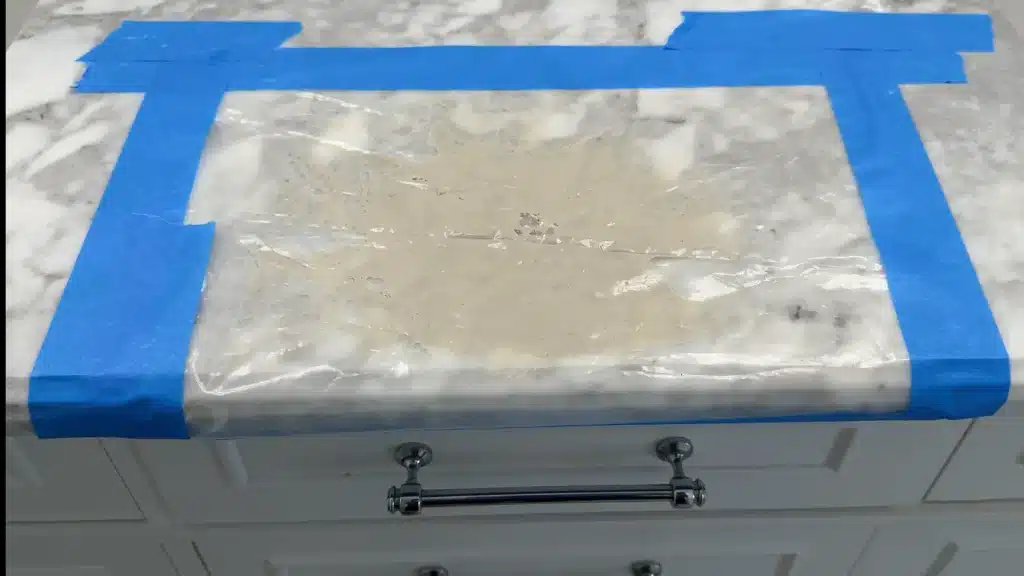
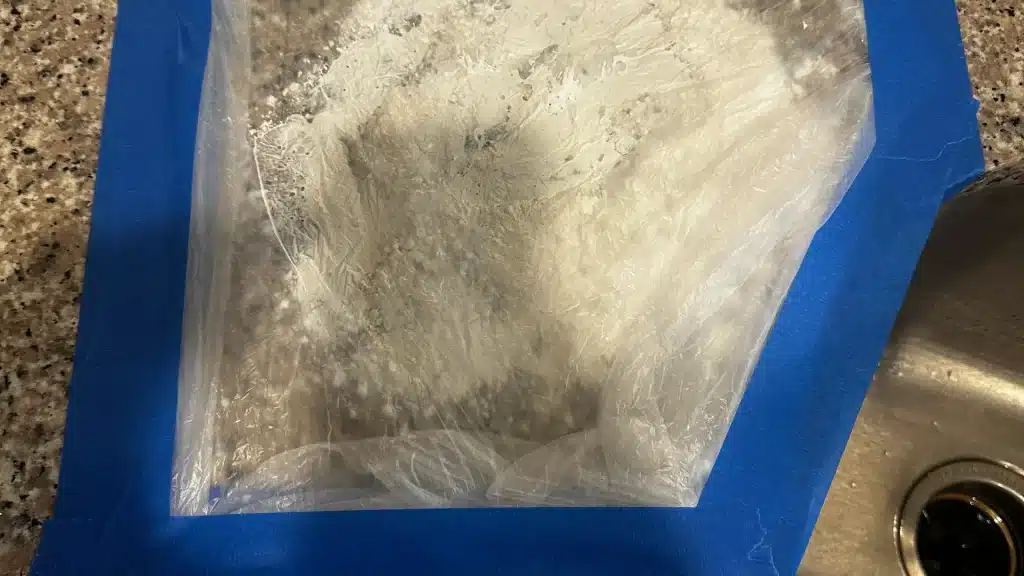
Images shown here are from real restoration projects performed by NextGen Surface Care and are included for educational purposes to demonstrate professional stone restoration techniques.
How Poultice Stain Removal Works
Poultice stain removal is a technique used to draw contaminants out of porous stone surfaces. The process works by applying an absorbent paste over the stained area. As the poultice dries, it pulls the staining substance out of the stone and into the absorbent material.
The first step in addressing a stain is identifying the type of contaminant involved. Different stains respond to different treatment agents. Oil-based stains, organic stains, rust stains, and installation residues can all require different poultice mixtures to effectively extract the discoloration.
Once the appropriate poultice mixture is prepared, it is applied directly over the stained area and typically covered to slow the drying process. As the mixture cures and dries, it draws the stain upward through capillary action. After the poultice has fully dried, it can be removed and the surface cleaned.
In real-world situations, stains are not always caused by common household substances. During installation or maintenance work, materials such as silicone caulking can sometimes leave residue on stone surfaces if they are not cleaned properly before curing. These types of stains can often be addressed using specialized poultice treatments designed to extract the residue from the stone.
Because natural stone surfaces vary widely in composition and finish, improper stain removal methods can potentially cause damage if the wrong chemicals or techniques are used. For this reason, poultice treatments should always be tested in an inconspicuous area first. When in doubt, professional stone restoration specialists can determine the safest and most effective treatment for the specific type of stone and stain involved.
When Natural Stone Stains Require Professional Treatment
While poultice treatments can successfully remove many types of stains from natural stone, some situations require professional restoration. Certain stains penetrate deeply into the stone or involve substances that standard poultice mixtures cannot fully extract.
In addition, discoloration that appears to be staining may actually be etching or surface damage caused by acidic substances. In these cases, stain extraction alone will not correct the issue because the stone surface itself has been chemically altered.
- Deep stains that remain after multiple poultice applications
- Discoloration caused by silicone or installation materials
- Oil stains that have penetrated deeply into porous stone
- Etching marks caused by acidic substances
- Areas where the stone finish has become dull or uneven
Professional stone restoration specialists can identify the exact cause of the discoloration and determine the safest treatment approach. This may involve advanced poultice treatments, honing to remove etching, or polishing the surface to restore the stone’s original finish.
See Real Natural Stone Stain Removal Examples
If you would like to see how professional stain removal techniques restore natural stone surfaces in real environments, explore our completed case studies. These projects demonstrate how specialized treatments can remove stains and restore the natural beauty of stone surfaces.