What Type of Stone Is Suitable for a Firebox?
Understanding Heat and Stone Performance in a Firebox
Fireboxes create one of the most demanding environments for natural stone. Materials inside a fireplace must tolerate sustained high temperatures, rapid heating and cooling cycles, and exposure to soot and combustion byproducts. Stones that perform well in flooring or countertops may not respond the same way when exposed to direct heat. Choosing a stone with the right density, mineral composition, and thermal stability is essential for maintaining both safety and appearance.
Natural Stones That Perform Well in Fireboxes
- Granite – Dense and heat-resistant, granite holds up well to high temperatures and maintains its structural integrity in fireplace environments.
- Slate – Naturally formed under heat and pressure, slate performs reliably in firebox conditions and offers a textured, rustic appearance.
- Soapstone – Known for excellent thermal stability, soapstone absorbs and distributes heat effectively without cracking.
- Quartzite – Extremely durable and heat tolerant, quartzite provides the look of marble with much greater resistance to heat damage.
- Certain sandstones – Some dense varieties of sandstone can perform well in firebox applications when properly installed and sealed.
Why Some Stones Fail in High-Heat Environments
Not every natural stone is designed to handle direct heat exposure. Stones with higher porosity or certain mineral compositions can react poorly when exposed to sustained fireplace temperatures. Over time, repeated heating and cooling cycles may lead to cracking, surface flaking, or structural weakening.
Marble and limestone, for example, contain higher levels of calcium carbonate, which can become more vulnerable when exposed to intense heat. Softer stones may also absorb soot and combustion residue more easily, leading to permanent staining or discoloration inside the firebox. Selecting a dense, heat-tolerant material helps prevent these issues and ensures long-term durability around the fireplace.
Can You Install or Replace Firebox Stone Yourself?
Some homeowners consider replacing or installing firebox stone themselves, especially when upgrading the appearance of a fireplace. While minor cosmetic work around a fireplace surround may be manageable, the firebox itself is a high-heat environment that requires materials and installation methods designed to withstand extreme temperatures. Improper material selection or installation can lead to cracking, heat damage, or safety concerns over time.
Situations Where Basic Fireplace Maintenance Helps
- Routine removal of soot buildup to prevent surface staining
- Inspecting stone surfaces for cracks or loose pieces
- Keeping fireplace openings clear of debris and ash
- Monitoring mortar joints for early signs of deterioration
When Professional Fireplace Stone Work Is Needed
- Replacing damaged or heat-fractured stone inside the firebox
- Correcting improper materials previously installed in high-heat areas
- Repairing cracked masonry or structural fireplace components
- Addressing severe soot staining or surface deterioration
- Rebuilding firebox interiors to meet safety standards
How Professionals Evaluate and Restore Fireplace Stone
Professional fireplace stone repair focuses on ensuring the firebox can safely handle heat while maintaining the appearance of the surrounding stonework. Specialists begin by evaluating the condition of the existing materials, checking for cracks, heat damage, loose masonry, or improper stone selection. This assessment helps determine whether the stone can be restored or if replacement materials better suited for high temperatures are required.
- Inspecting firebox stone for heat fractures or structural damage
- Removing compromised or improperly installed materials
- Installing heat-tolerant stone suited for fireplace environments
- Repairing or rebuilding damaged masonry areas
- Sealing and finishing surrounding stone for long-term durability
Examples of Fireplace Stone Materials
Different natural stones create very different looks around a fireplace while also offering varying levels of heat resistance and durability. Granite, slate, soapstone, and quartzite are commonly selected because they tolerate high temperatures while maintaining their appearance over time. The examples below illustrate how natural stone can enhance the visual impact of a fireplace while remaining suitable for firebox environments.
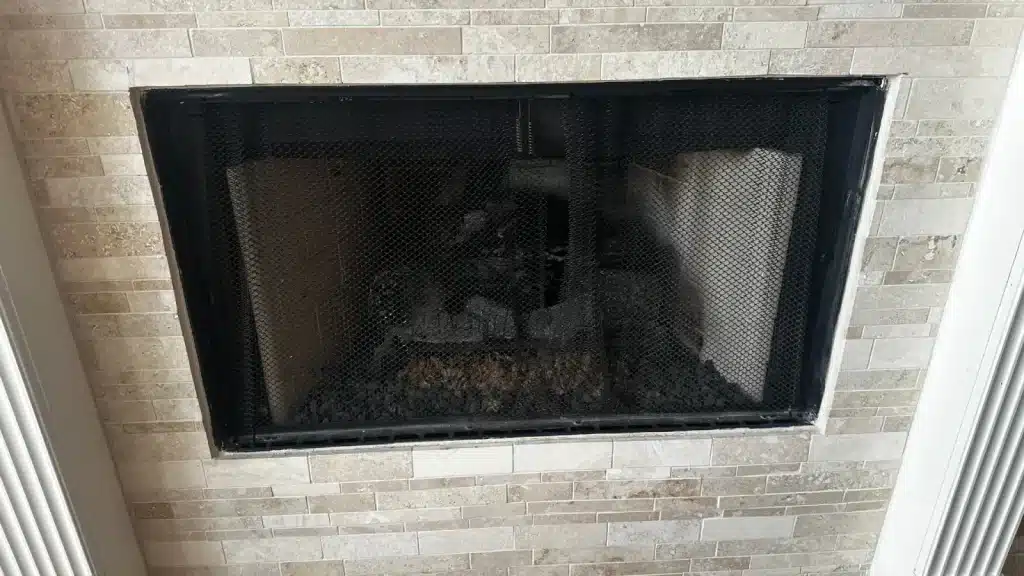
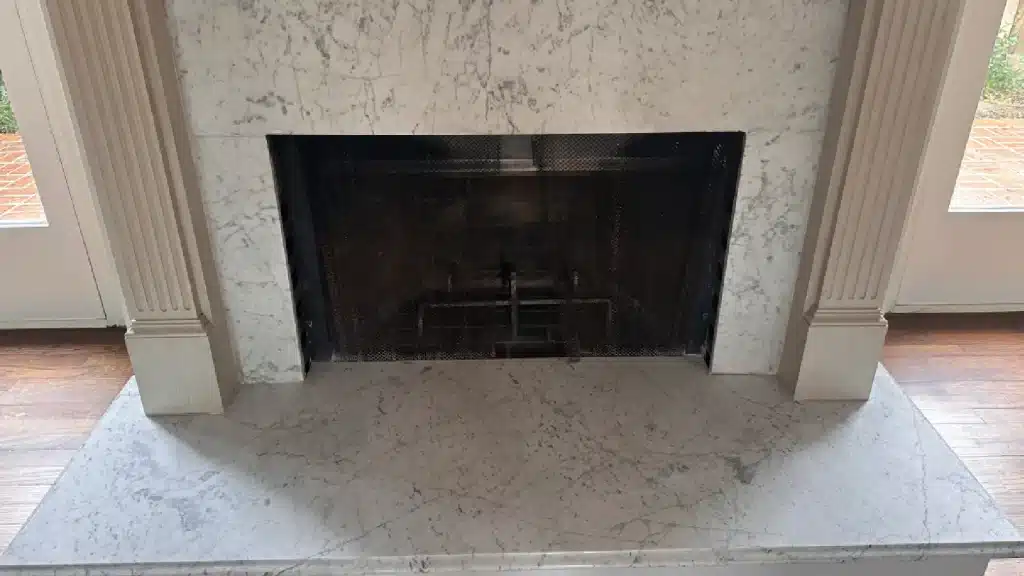
Images shown here are from real restoration projects performed by NextGen Surface Care and are included for educational purposes to demonstrate professional stone restoration techniques.
Fireplace Stone Care Guidelines
Do:
- Inspect firebox stone periodically for cracks or heat damage
- Remove soot buildup gently to prevent long-term staining
- Use stone-safe cleaning products when maintaining surrounding fireplace stone
- Keep the firebox clear of debris and ash buildup
- Address minor damage early before heat exposure worsens the issue
Don’t:
- Use acidic cleaners such as vinegar or harsh chemical products
- Scrub stone aggressively with abrasive brushes or pads
- Ignore small cracks that may expand with repeated heating cycles
- Install decorative stones not rated for high-temperature environments
- Assume all natural stone performs the same under heat exposure
For homeowners who want to go deeper into proper stone care and maintenance, our Care Guides and Surface IQ resources provide detailed insights into how different natural stone materials perform in real environments and how to protect them over time.
When It’s Time to Call a Professional
While routine fireplace maintenance can help preserve the appearance of surrounding stone, certain issues indicate that professional evaluation is necessary. Fireboxes operate under extreme temperatures, and damage inside this area can worsen quickly if not addressed properly. A professional assessment helps determine whether repairs, material replacement, or structural corrections are needed to maintain both safety and durability.
- Visible cracking or flaking of stone inside the firebox
- Loose or shifting stone materials exposed to heat
- Persistent soot staining that penetrates the stone surface
- Signs of structural damage around the fireplace opening
- Evidence that incorrect stone materials were installed in high-heat areas
See Real Natural Stone Restoration Projects
If you’d like to see how professional stone restoration improves damaged or worn natural stone surfaces, explore our completed case studies showcasing real residential projects and the results achieved through expert restoration techniques.