
Home > Care Guides > Concrete
Concrete Care Guide
Professional care guidance to help prevent staining, surface wear, and sealer failure on concrete floors and surfaces.
Watch This Before Cleaning Concrete
Before using any cleaner on concrete, it’s important to understand whether the surface is sealed, coated, or unprotected. Concrete is naturally porous and highly dependent on its finish for performance. This short video explains common cleaning mistakes, what to avoid, and how to protect concrete surfaces properly.
What You’ll Learn
Approx. 2 minutes
Daily & Weekly Care
Simple routines that help prevent staining, surface wear, and sealer deterioration—without damaging concrete finishes.
Daily Routine
Harsh cleaners and abrasive tools can damage sealers or coatings and shorten the life of the surface.
Weekly Routine
If staining occurs easily or the surface appears dull, the concrete may need professional resealing or refinishing.
Do’s & Don’ts
If staining occurs easily or the surface appears dull, the concrete may need professional resealing or refinishing.
Do’s
Use protective pads under heavy furniture or equipment
Dont’s
Improper cleaning and neglected sealers are common causes of concrete surface failure.
Sealing & Protection
Concrete is naturally porous and highly dependent on its sealer or coating for performance. Proper sealing protects against staining, moisture intrusion, and surface deterioration
Do I Need to Seal Concrete?
Unsealed or worn concrete is significantly more vulnerable to staining and deterioration.
When & How to Seal
Improper application or neglected maintenance can lead to sealer failure, peeling, or surface damage.
If you’re unsure which type of sealer or coating is present, professional evaluation can help determine the appropriate maintenance plan.
Common Concrete Issues & Solutions
Most concrete problems are related to moisture intrusion, sealer failure, or improper cleaning methods. Early attention can help prevent more serious surface deterioration.
Common Issues
These issues often indicate moisture exposure or sealer breakdown—not just surface dirt.
What to Do
Some concrete damage may require professional refinishing, crack repair, or resealing to restore performance.
Persistent efflorescence, coating failure, or widening cracks should be professionally evaluated to determine the appropriate corrective approach.
When to Call a Professional
Some concrete issues cannot be resolved with routine cleaning and require professional evaluation to prevent further surface deterioration.
Signs You Need Professional Help
These issues often indicate sealer failure, moisture intrusion, or structural concerns—not simple surface dirt.
How Professionals Can Help
Professional refinishing and resealing can restore protection and extend the life of concrete surfaces.
If concrete shows ongoing coating failure, deep cracking, or persistent moisture-related issues, professional evaluation can determine the most appropriate corrective solution.
Professional Concrete Restoration Results
Examples of professionally restored concrete surfaces after coating failure, cracking, staining, and moisture-related damage.
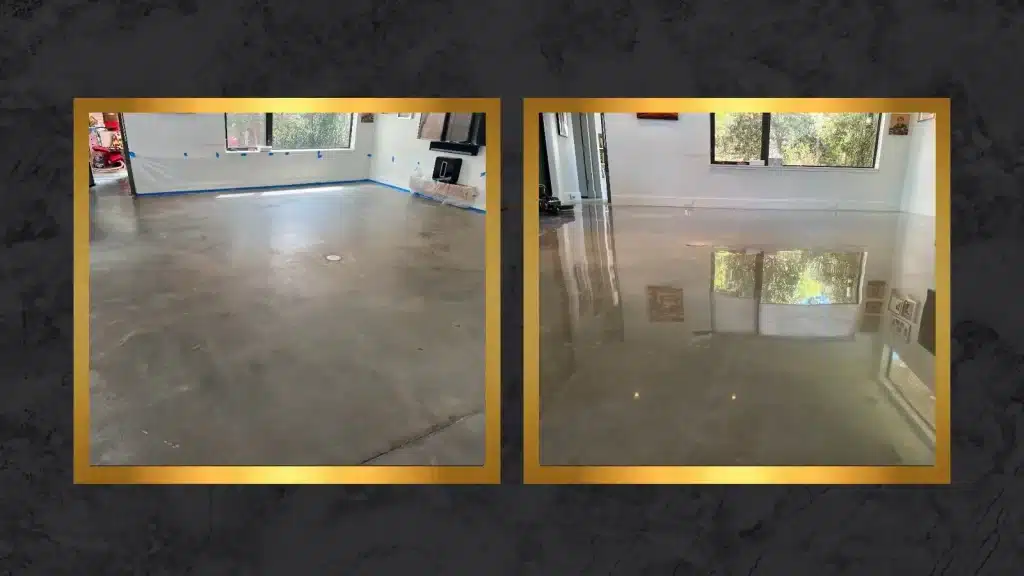 Before and after concrete floor polishing performed by NextGen Surface Care.
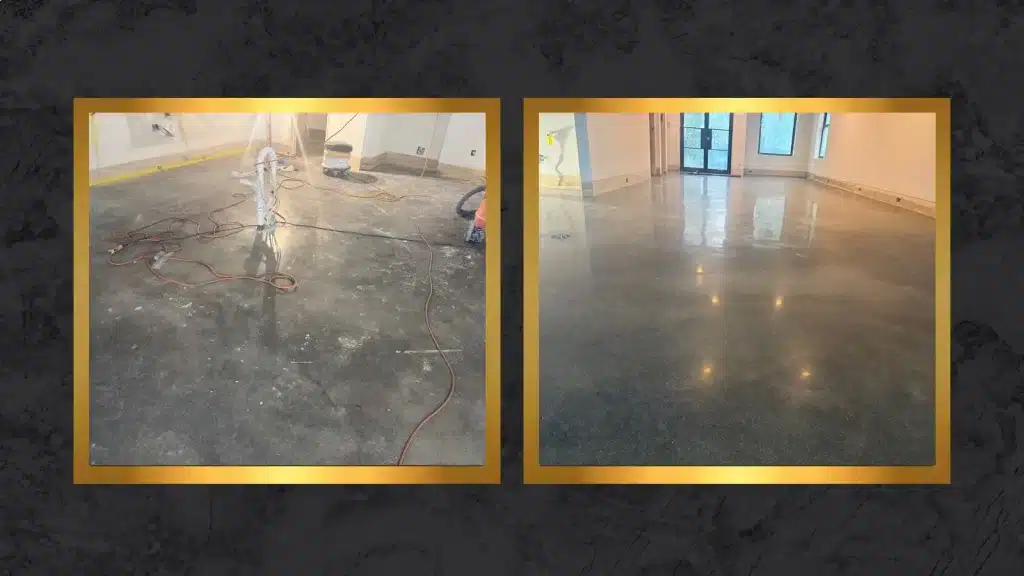 Before and after concrete polishing in a Memorial, Texas family room.
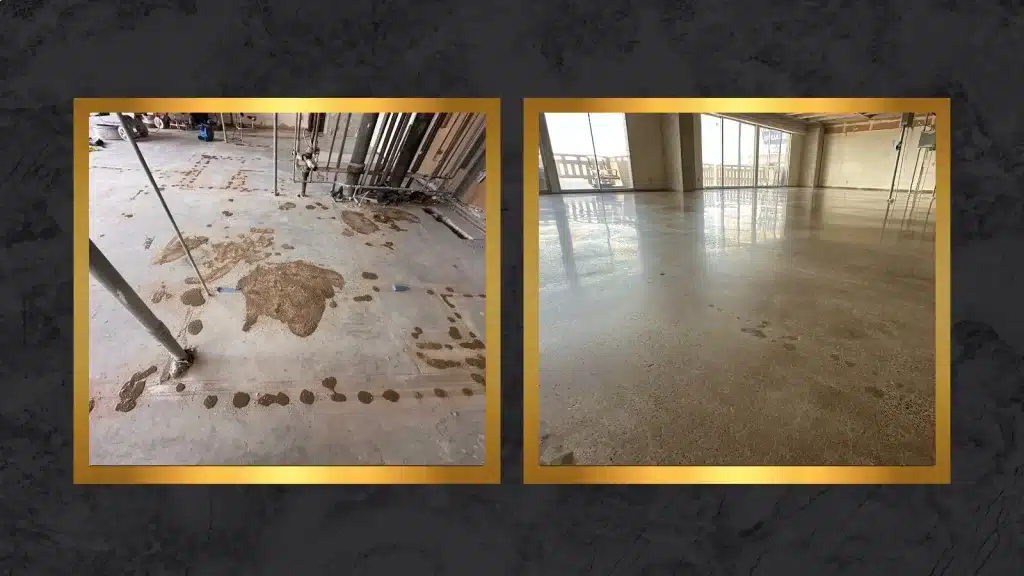 Before and after concrete floor repair and polishing in a Downtown Houston high-rise residential unit
Results vary based on installation type, environmental exposure, and prior maintenance. Structural cracking or severe moisture intrusion may require additional corrective measures.
Prefer a Printable Guide?
Download or browse our interactive care guide for easy reference—keep it handy for quick maintenance reminders.